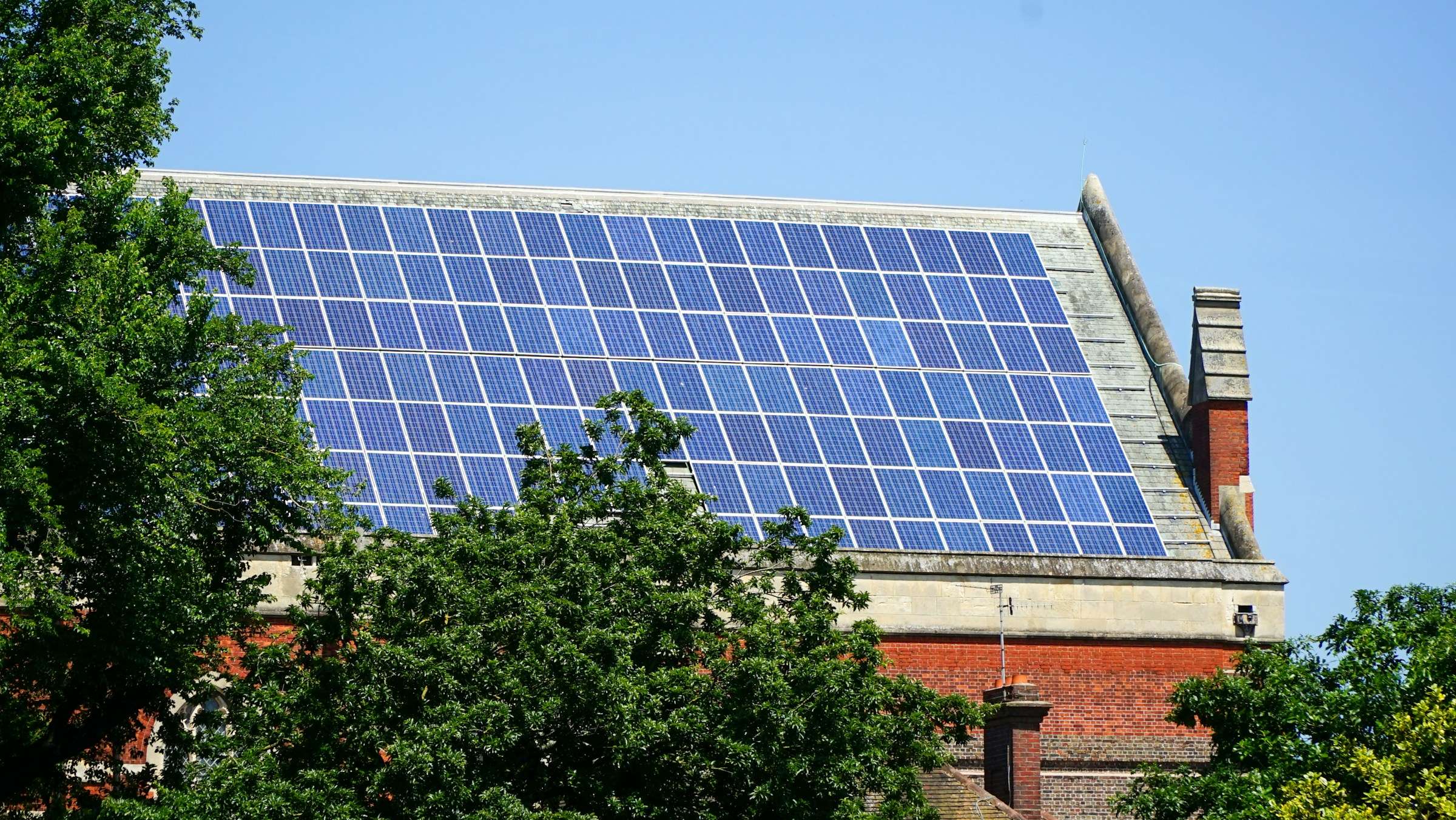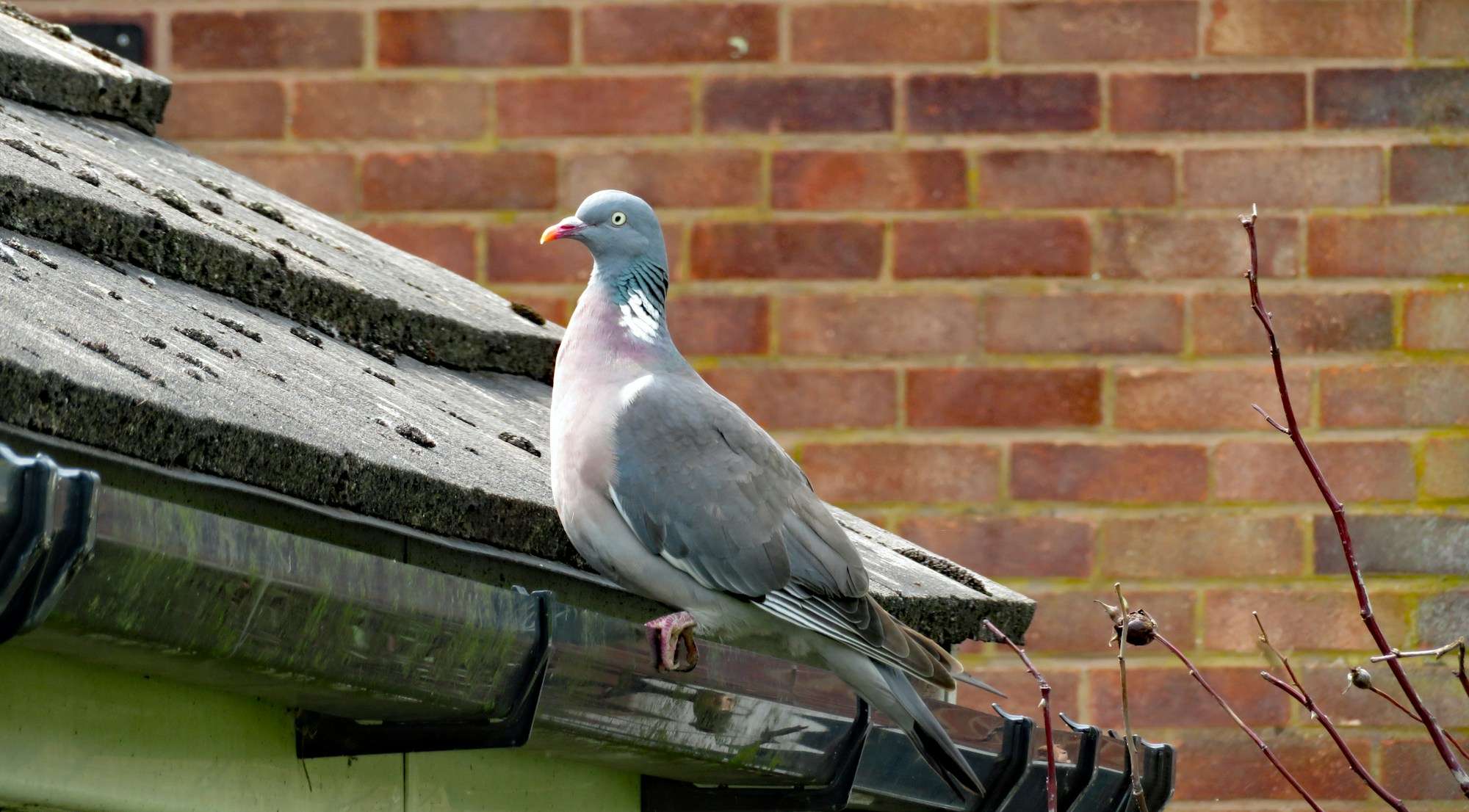
If you hear cooing from the roof at dawn, or see twigs and feathers sticking out from under your panels, pigeons have probably moved in. It’s one of the most common problems with rooftop solar in the UK.
Why pigeons choose solar panels
The gap between a solar array and the roof is a near-perfect nest site: dry, sheltered from wind and rain, warm from the panels above, and safe from predators. Feral pigeons breed through most of the year, and once one pair settles, others tend to join them.
The problems they cause
- Droppings on the panels, roof, windows, car and patio
- Nesting material that blocks gutters and downpipes
- Lost output, because droppings on the glass block light
- Noise from first light
- Possible damage to cables under the panels from nesting and pecking
What the law says
All wild birds’ nests are protected while in use. Under the Wildlife and Countryside Act 1981, it’s an offence to intentionally take, damage or destroy the nest of any wild bird while it’s being built or used. Guidance for people working around birds makes clear that building or maintenance work isn’t a reason to disturb an active nest.
In practice, that means:
- Check first. If there’s an active nest with eggs or chicks, it has to be left until the young have gone.
- Never trap birds in. Fitting mesh over an active nest would block parents from their chicks.
- Fit proofing when nests are empty. Autumn and winter are usually the best time.
Control of feral pigeons beyond that is covered by general licences from Natural England, whose terms change from time to time. Bird proofing avoids the need for any of that: it simply keeps birds out.
How bird proofing works
The most common solution is a strip of mesh fitted around the edge of the array, closing the gap between the panels and the roof.
- Old nesting material and droppings are cleared out from underneath.
- The panels are cleaned, ideally on the same visit.
- Coated steel mesh is cut to fit the edge of the array.
- The mesh is held to the panel frames with clips designed for the job. Nothing is drilled into the panels or the roof.
Unlike cleaning, this can’t be done from the ground. Be wary of anyone offering to fit mesh from a ladder leaned against the gutter: it’s a job that takes hours at the roof edge, and it should be done from proper access equipment.
Done well, it’s hard to see from the street and lets air and rain through while keeping birds out.
Other options
- Spikes on the roof edge or ridge can help keep pigeons from landing nearby, but don’t stop them getting under the panels.
- Fake predators such as plastic owls tend to work only briefly.
- Solar skirts (solid panels around the edge) are another option, usually at a higher price than mesh.
Costs
Bird proofing for a typical UK home usually costs several hundred pounds. The size of the array matters, but the biggest factor is access: fitting mesh means working at the roof edge, which needs a tower, platform or other proper access rather than a ladder. We don’t fit mesh ourselves, but we can refer you to a Kent fitter and clean the panels afterwards. See bird proofing help.