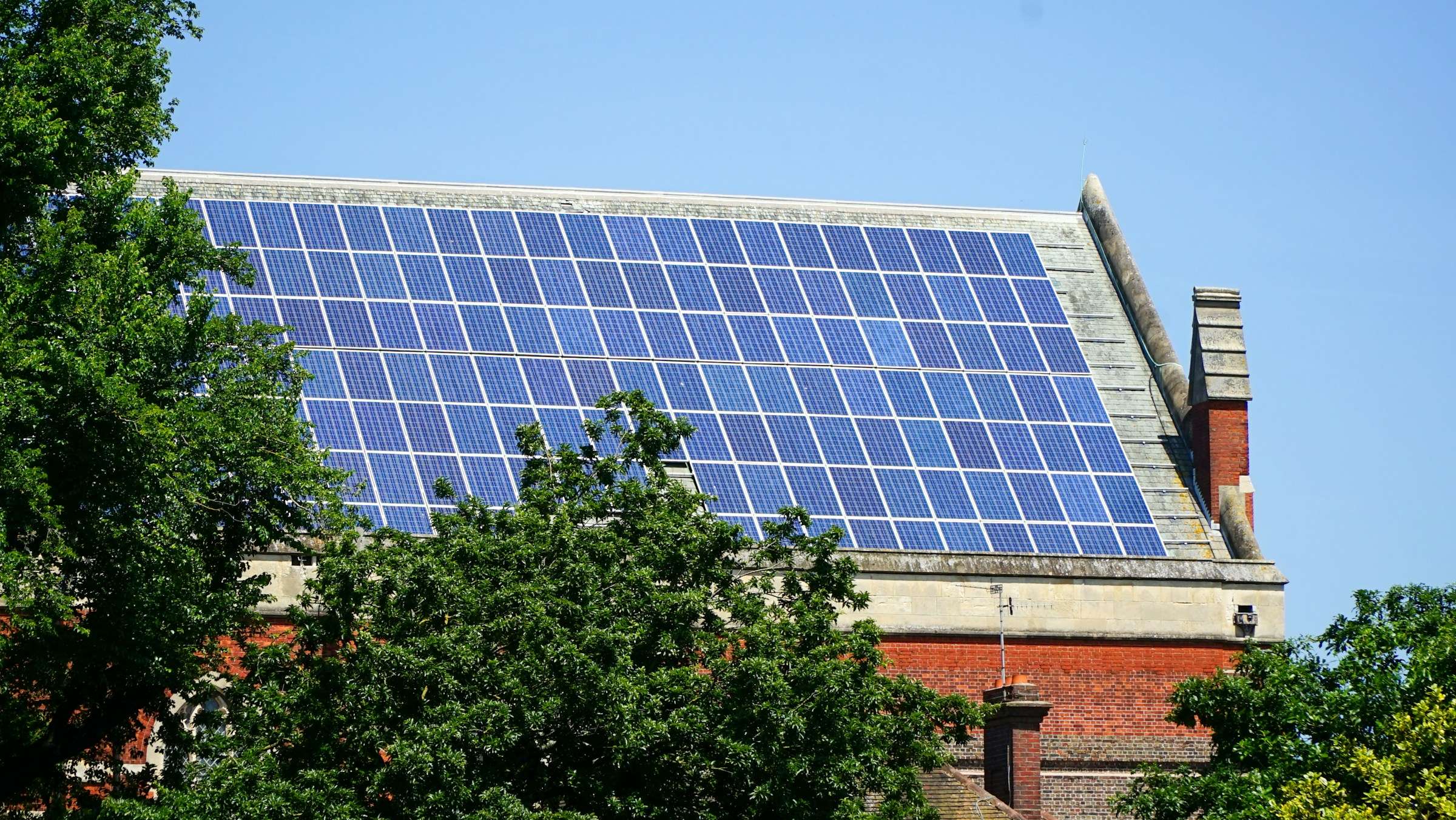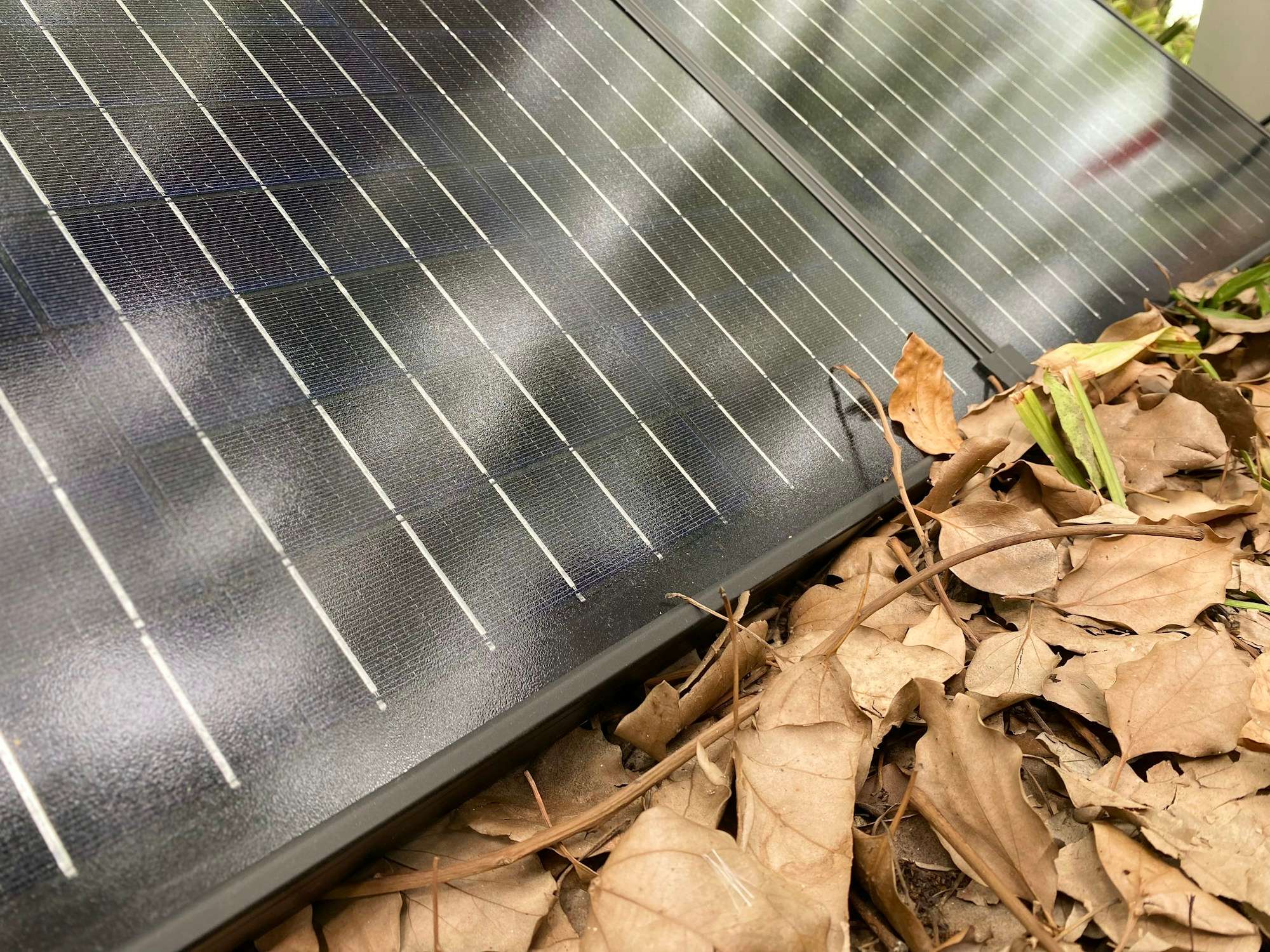
For a typical UK home with panels on a pitched roof, cleaning rarely pays for itself in extra electricity alone. For panels that are flat, fouled by birds, growing lichen or sitting near a farm or a busy road, it often does. Here is the evidence behind that answer, including the parts that don’t help our own trade.
How much does dirt cost panels in northern Europe?
The best recent evidence is a 2025 study in the journal Renewable Energy that mapped dirt losses (“soiling”) across Europe, using a model checked against measurements from sensors around the continent. Its headline finding is that Europe loses an average of 0.9% of its solar output a year to soiling if rain cleans panels perfectly, rising to 5.3% if rain is assumed to be only 10% effective.
Northern countries came out lowest. The study says Sweden, Norway and Ireland “show the minimum losses, with median values below 0.5 %” on the first assumption, “or below 3.0 %” on the second. It describes soiling in the United Kingdom as “relatively low”.
Three cautions:
- It is a model, not a UK field measurement. We have not found a measured annual figure for UK rooftops.
- It assumes panels at a good tilt. Shallow roofs do worse.
- It averages over everything. It says nothing about the house under the pigeon roost.
For comparison, an International Energy Agency fact sheet puts the worldwide loss at 4% to 7%. That figure is driven by dry, dusty regions and should not be applied to Britain.
Where rain is not enough
The same European study is clear that rain has limits. Pollen, bird droppings and industrial pollutants, it says, “are likely to stay adhered to the surface of PV modules until a proper artificial cleaning is conducted.”
Other sources point the same way:
- Shallow roofs. Canadian Solar’s installation manual says modules “with sufficient tilt (at least 15°), generally may not require cleaning”, because rain rinses them. Trina Solar recommends a tilt of at least 10° for the same reason. Below that, dirt stays.
- Dry spells and very flat panels. Researchers at the University of California found that panels left 145 days without rain in a California drought lost 7.4% of their efficiency, and that panels mounted at less than five degrees lost more.
- Your surroundings. The Energy Saving Trust says homes near busy roads, farmland or other dusty places may need more frequent cleaning.
Does a clean pay for itself?
We have not found an independent UK study that works this out for a home. The European study does say cleaning “can be also cost-effective in the United Kingdom”, but it is talking about large solar farms, where cleaning costs far less per panel.
You can do the sum for your own roof:
- Find your yearly generation in your inverter app. Say it is 3,500 kWh.
- Estimate what you are losing. On a clean-air pitched roof, the research above suggests no more than about 3%. Take 3%: about 105 kWh.
- Multiply by what a unit is worth to you: your import price if you would have used it, your export price if not.
On those example figures the electricity recovered is worth less than the cost of a clean. That is the honest position for a lightly soiled roof. The sum changes when the loss is larger, which is why what is on your panels matters more than any average.
Reasons to clean that are not about this year’s bill
- Droppings and shade can stress a panel. Canadian Solar’s manual warns that shaded cells can cause “localized overheating, which in turn may negatively impact the module service lifetime”. Our guide to bird droppings on solar panels explains why.
- Makers expect it. JinkoSolar’s manual suggests cleaning “preferably once per annum if possible”, depending on the site.
- Someone looks at the array. A clean is often the only time anyone checks for cracked glass, loose fixings or birds moving in.
So, should you?
- Probably not yet if your panels are on a steep roof in clean air, look clear from the ground and are generating what they did last year.
- Probably yes if you can see droppings, green edges or a grey film, if the roof is flat or shallow, or if you are near the sea, a farm, a main road or a pigeon roost.
- Check first if you are not sure. Our guide to whether solar panels need cleaning shows how to tell from the ground.
If yours are in Kent and you would like a second opinion, send us a photo. If a clean won’t make a difference, we will say so.