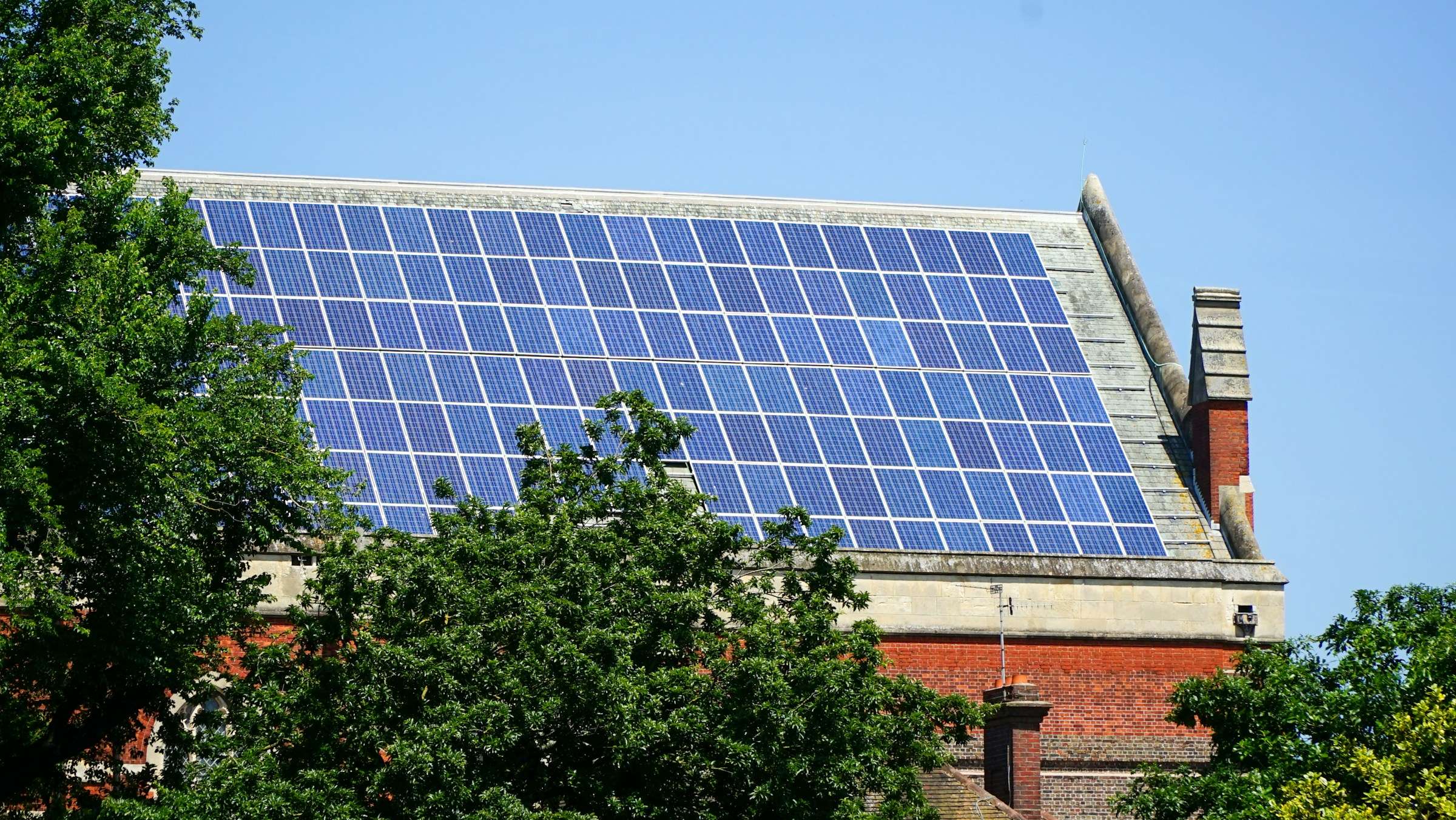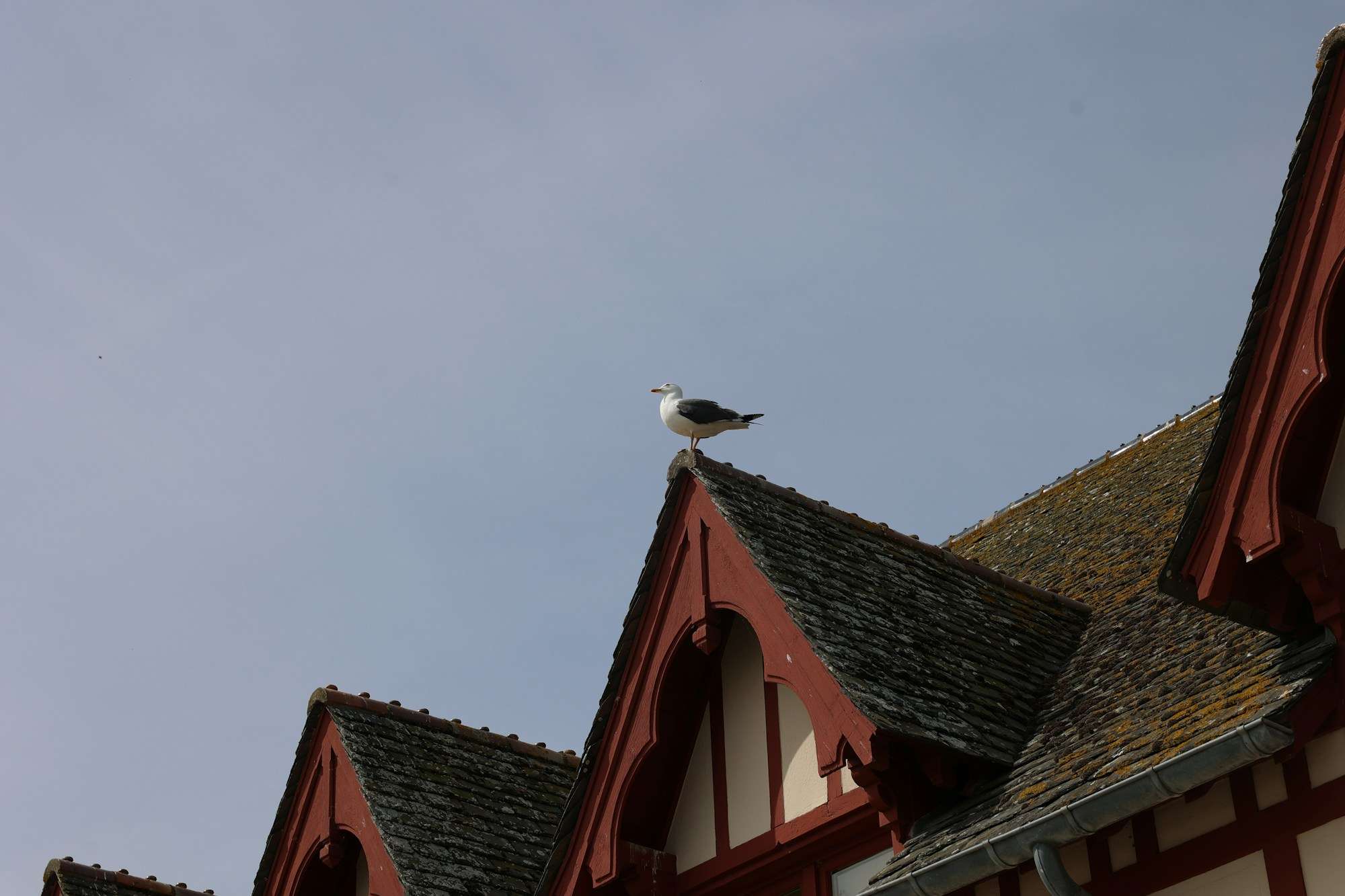
Bird droppings are the worst kind of dirt for a solar panel. Dust dims the whole panel a little; a dropping blocks one patch completely, and because of how panels are wired, that patch can hold back far more than its own area.
Why rain doesn’t shift them
Rain rinses loose dust from a tilted panel. Droppings dry hard and stick. A 2025 study of soiling across Europe notes that bird droppings, like pollen and industrial pollutants, “are likely to stay adhered to the surface of PV modules until a proper artificial cleaning is conducted.”
Why a small patch costs more than its size
A solar panel is not one big cell. It is dozens of small cells wired in a chain, and the same current has to pass through every one. A cell in shade produces less current, so it holds back the whole chain, a bit like a kink in a hose.
Trina Solar’s user manual puts it plainly: “A module with shaded cells generate less energy”, and dirt such as bird droppings and leaves “usually needs to be cleaned to avoid shading.”
Panels have a safety device for this, the bypass diode. When a group of cells is badly shaded, the diode lets current skip that group. That limits the damage, but the bypassed group stops contributing altogether. A typical panel has a few such groups, so one well-placed dropping can switch off a noticeable share of a panel.
How much you lose depends on where the dropping lands and how your system is wired. Systems with optimisers or microinverters keep the loss to the affected panel. On a simple string inverter, panels in the same string can be affected too. We have not found a reliable figure for the loss from a single dropping, and we would be wary of anyone who quotes one.
Can droppings damage the panel?
They can. When a shaded cell is forced to carry the current of its unshaded neighbours, it heats up. The PVEducation textbook calls this hot-spot heating, and explains that bypass diodes exist to prevent it by limiting the voltage across the weak cell.
Manufacturers still treat lasting shade as something to avoid. Canadian Solar’s installation manual lists bird droppings among the causes of “permanent shading”, and says that power dissipated in shaded cells “can cause localized overheating, which in turn may negatively impact the module service lifetime.” It adds that permanent shading puts thermal stress on the bypass diodes themselves.
In short: one dropping for a week is nothing to worry about. A panel that stays fouled for months is working harder than it should.
Where this matters most in Kent
Gulls make this an everyday problem on the coast. Whitstable, Herne Bay, Thanet, Deal, Dover and Folkestone all get more than their share. Inland, the usual culprits are pigeons in towns and starlings around farm buildings.
How to remove droppings safely
- Stay on the ground. If you can’t reach the panel from the ground with a pole, leave it to someone who can.
- Soak first. Wet the dropping and give it a few minutes to soften.
- Use something soft. A sponge or soft brush and plain water. Canadian Solar’s manual says: “Do not scrape or rub dry dirt away, as this may cause micro scratches.”
- Pick a cool time. Makers ask for cleaning in the cool part of the day, and warn against cold water on hot glass.
- No pressure washer. See why not.
Our guide to cleaning your own panels has the full method.
When the birds are living under the panels
Droppings from birds flying over are one thing. If the mess keeps coming back in the same place, and you can hear scratching or cooing, pigeons are probably nesting underneath. Cleaning alone won’t solve that. See pigeons under solar panels for what to do.
If your panels are in Kent and you’d like them cleaned, you can book online at a fixed price.