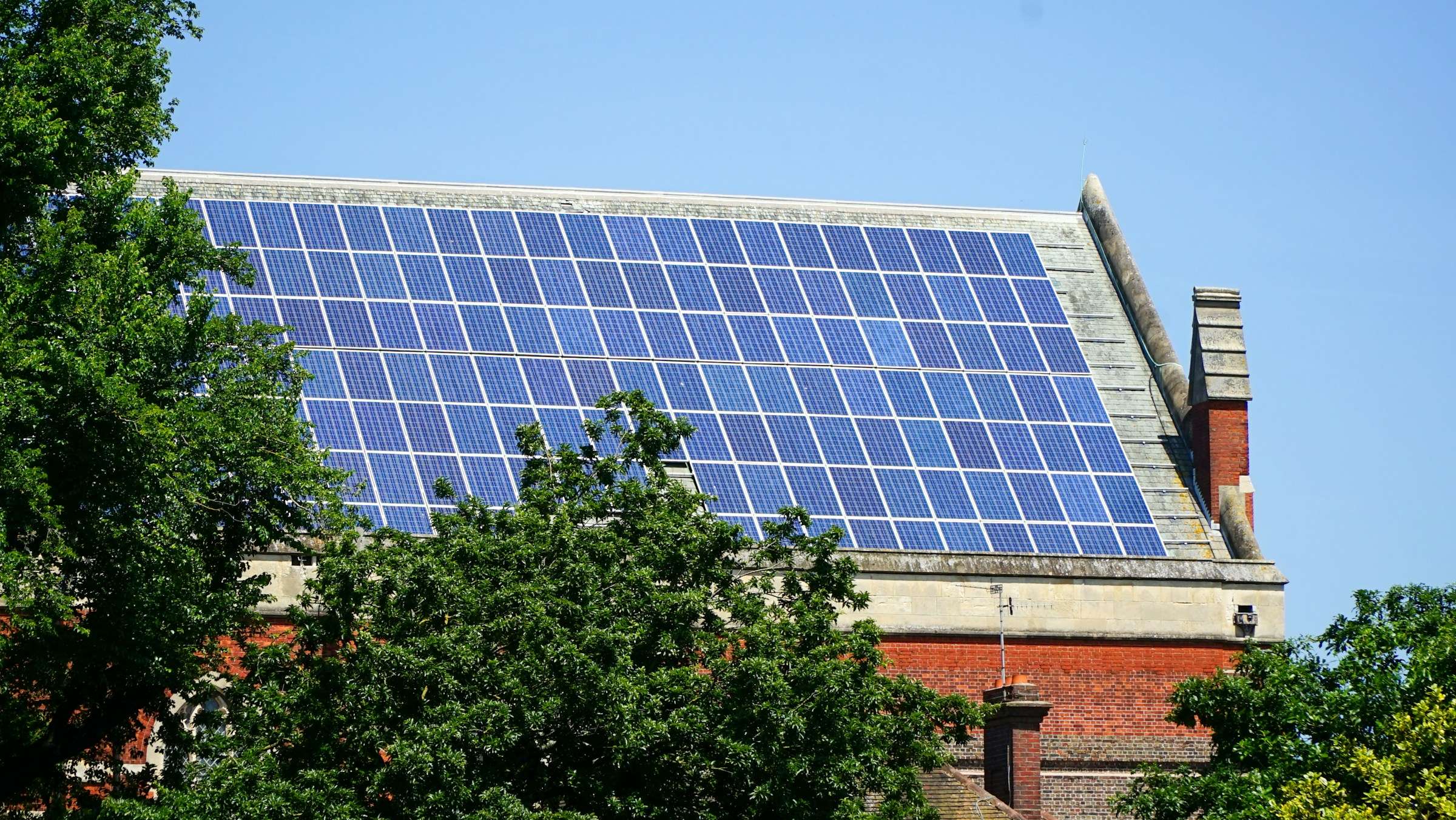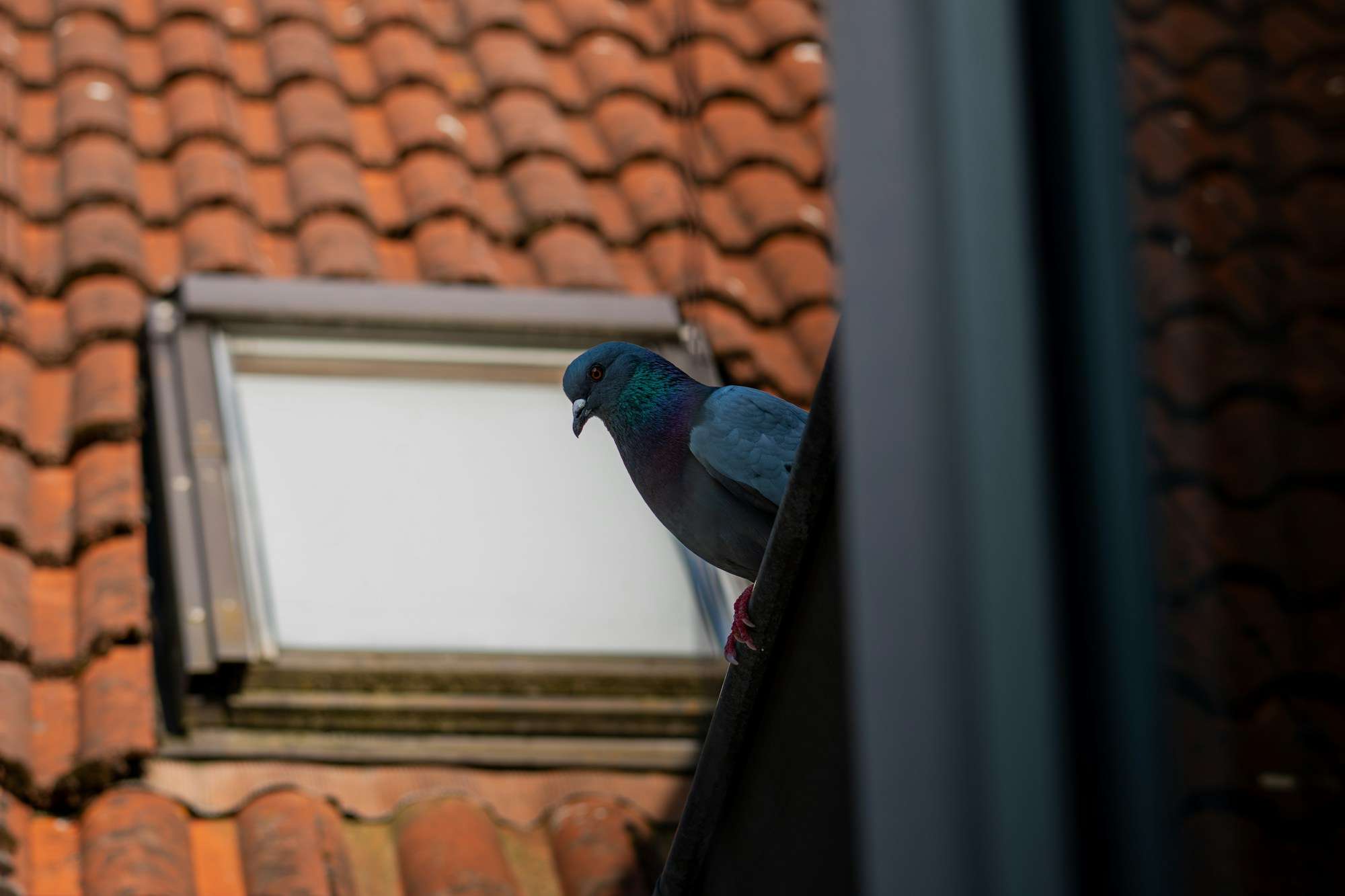
Bird proofing the solar panels on a typical UK home costs roughly £300 to £800, and more if the roof needs scaffolding. We don’t fit it ourselves, so these are other people’s published figures, with where each one comes from.
What the published guides say
| Source | Figure | What it covers |
|---|---|---|
| The Eco Experts | £500 to £700 | Pigeon proofing “a standard residential solar PV system (3-4kW)” |
| The Eco Experts | £550 to £750 | Removing pigeons and stopping them coming back |
| Going Solar UK (August 2026) | £300 to £800 fitted | A typical home array, about £25 a panel |
| Going Solar UK | £600 to £1,000 or more | The same job where a scaffold is needed |
These are guides, not quotes. Going Solar UK is a comparison site that introduces installers, so read it as a rough market view. The Eco Experts’ page carries an update date of January 2024, so allow for prices having moved since.
What changes the price
- How the roof is reached. This is the big one. Going Solar UK says scaffolding, where a roof needs it, adds £300 to £800.
- The number of panels. More panels means more edge to mesh.
- Clearing out first. Old nests and droppings have to come out from under the array before the mesh goes on.
- Cleaning the panels. Some fitters include it; some don’t.
Why access costs so much
Cleaning panels can be done from the ground with a long pole. Fitting mesh can’t: someone has to work along the edge of the array for a good while.
That rules out doing it properly from a leaning ladder. The Health and Safety Executive’s guidance on ladders says: “if your task would require staying up a leaning ladder or stepladder for more than 30 minutes at a time, it is recommended you use alternative equipment.” It also says short duration “is not the deciding factor” and that the risk has to be considered first.
So a careful fitter brings a scaffold tower, an access platform or scaffolding, and that is what you are paying for. If a quote is much lower than the rest, ask how they plan to reach the roof.
What the law allows
Two things are worth knowing in England:
- Active nests are protected. Under the Wildlife and Countryside Act 1981 it is an offence if a person intentionally “takes, damages or destroys the nest of any wild bird while that nest is in use or being built”.
- There is a general licence for some situations. Natural England’s general licence GL41 covers feral pigeons where public health or safety is at stake. It runs for a calendar year at a time and has detailed conditions, so anyone relying on it should read it in full. Among the lawful alternatives it lists is to “Bird-proof buildings and structures to deny access for the target birds to roost, shelter or nest”.
In practice a responsible fitter checks for active nests before starting, never seals birds in, and prefers to fit mesh when the nests are empty. Autumn and winter are the usual time.
What a good job looks like
- Mesh clipped to the panel frames, with nothing drilled or glued.
- Old nesting material cleared from under the panels and from the gutters.
- Proper access equipment, not a ladder against the gutter.
- A check for active nests first.
- Insurance for the work, and a written guarantee.
What we do, and don’t
We clean solar panels across Kent. We don’t fit bird proofing, because it needs roof-edge access and different kit. If pigeons are under your panels, tell us what you’re seeing and, if you’d like, we’ll refer you to a local fitter who quotes you directly. If you go ahead with them, they may pay us a referral fee. Once the mesh is on, we can clean the droppings off the glass.
More on the problem itself: pigeons under solar panels.